
What Is an Air Conditioner Quick Fix for a Frozen Coil?
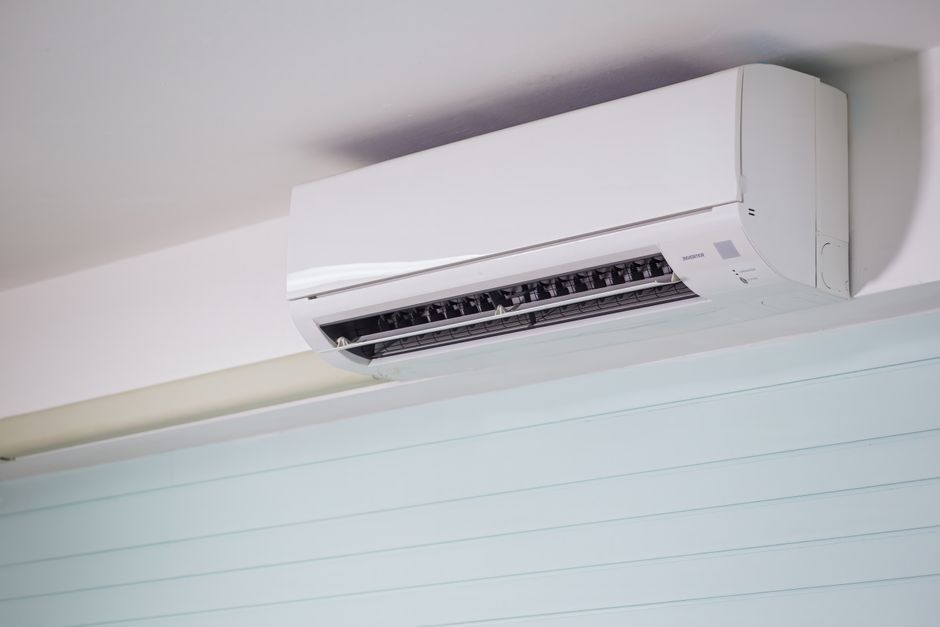
The safest air conditioner quick fix for a suspected frozen coil is to switch the thermostat from COOL to OFF, then let the ice thaw without scraping or chipping it. Check and replace a dirty filter, and make sure return vents are open and unobstructed. If your system has a fan-only setting, running the fan can help thaw the coil; call an HVAC technician if ice returns or cooling does not recover.
What is the quickest safe thing to do if my AC coil is frozen?
Switch the thermostat from COOL to OFF, then give the ice time to melt. Trane recommends this setting and warns against chipping ice, which can damage the coil. Look for ice on the indoor coil cabinet or refrigerant lines; warm air from the vents and puddles as ice melts can also point to a frozen coil.
While cooling is off, check only what is accessible without opening equipment. Replace a visibly dirty filter, and make sure return vents and supply vents are not blocked by furniture, rugs, or other items. Lennox identifies dirty filters and blocked or closed vents as airflow restrictions that can contribute to icing.
Water may appear as the ice melts. Bryant notes that pooling near an indoor unit can occur during thawing, but a persistent drain problem needs attention. Keep clear of electrical components and do not reach into the equipment to remove ice. If water is pooling near electrical parts, stop using the system and contact an HVAC technician.
For more general troubleshooting when cooling stops, see What Should I Do If My Air Conditioner Suddenly Stops Cooling?
Should I turn off my air conditioner or run the fan to thaw it?
Turn cooling off; if your thermostat lets you select FAN or ON separately, running the fan can help the coil thaw. These settings do different jobs: COOL continues operating the cooling cycle, while the fan-only setting circulates indoor air without calling for cooling. Lennox recommends turning the system off and setting the fan to ON to help thaw the coil.
Use the thermostat controls rather than opening the unit. Leave the fan on only if the controls allow it without restarting cooling. If you cannot tell whether the system is still cooling, choose OFF and wait; avoiding another cooling cycle matters more than trying to speed up the thaw.
Do not use tools, hot water, or force to remove ice. Trane specifically cautions against chipping it because the coil can be damaged. Once the ice has melted, check for a dirty filter or blocked vents before deciding whether to restart.
How long does it take for a frozen AC coil to thaw?
A frozen coil can take several hours to thaw, and the time depends on how much ice has formed and the system’s conditions. The provided manufacturer guidance recommends letting the coil thaw but does not give a fixed thaw time. Plan for several hours rather than switching COOL back on as soon as the visible ice starts to shrink.
Use the waiting period to check the filter and clear accessible airflow obstructions. Trane recommends changing the AC filter every 1–3 months depending on filter quality; Bryant also advises checking standard 1-inch filters every 30–90 days and replacing them as needed. The right interval depends on the filter and conditions, so inspect it regularly rather than relying on a single calendar reminder.
Airflow is not a minor detail. A U.S. Department of Energy Building America technical guide identifies dirty or blocked filters, duct restrictions, blower issues, and coil dirt as factors affecting airflow. It reports that airflow below 200 cubic feet per minute per ton can lead to coil icing and greatly shorten compressor life. That threshold is a system diagnostic measure—not a homeowner measurement to attempt at the unit.
Can I turn the AC back on after the ice melts?
You can try cooling again after the ice has fully melted and you have corrected any obvious airflow restriction, such as a dirty filter or blocked vent. Restarting while ice remains can restrict airflow again, so make sure the coil and refrigerant lines are clear of visible ice first. Then watch whether the system returns to normal cooling.
If the coil freezes again, switch COOL off and arrange professional service. Lennox says repeated freezing after replacing the filter and restoring airflow points to possible refrigerant, blower, thermostat, or other mechanical problems. Low refrigerant can lower coil pressure and temperature; the Department of Energy guide explains that this can form ice, restrict heat transfer, and reduce airflow further.
Refrigerant diagnosis and repair require a qualified professional. Bryant lists low refrigerant caused by a leak among possible causes of ice, while Lennox advises calling a certified technician when freezing continues after airflow checks. Do not treat repeated ice as a filter problem alone.
Frequently Asked Questions
Will changing the air filter fix a frozen coil?
It may fix the problem if a dirty filter is restricting airflow, but it will not address other causes. Replace a visibly dirty filter and make sure return vents are open, then let the coil thaw fully before restarting.
Why does my air conditioner keep freezing up after I restart it?
Repeated icing can mean airflow is still restricted or that a problem such as low refrigerant, a blower issue, or a thermostat fault remains. A technician can diagnose those system problems; refrigerant work is not a homeowner repair.
When does a frozen coil mean I need to call an HVAC technician?
Call if ice returns after you replace a dirty filter and clear airflow obstructions, or if the system still blows warm air after the ice has thawed. Water pooling near electrical components is also a reason to stop using the system and seek professional help.
Sources
What Should I Do If My Air Conditioner Suddenly Stops Cooling?
Use safe checks for thermostat settings, airflow, filters, and breakers—and know when ice, repeat trips, or odors mean calling an HVAC technician.

Is a DIY Home Depot-Style Carport Kit Right for My Site?
Check permits, weather loads, site conditions, tools, and assembly demands before buying a DIY metal carport kit.

How Do I Choose the Right Kitchen Countertop?
Match quartz, granite, laminate, or butcher block to heat, spills, upkeep, kitchen zones, and the full remodel budget.
Should I Refinish, Cover, or Remove My Old Flooring?
Compare refinishing, installing over existing flooring, and removal—plus checks for subfloor condition, moisture, floor height, costs, and disruption.