
What Should I Do If My Air Conditioner Suddenly Stops Cooling?
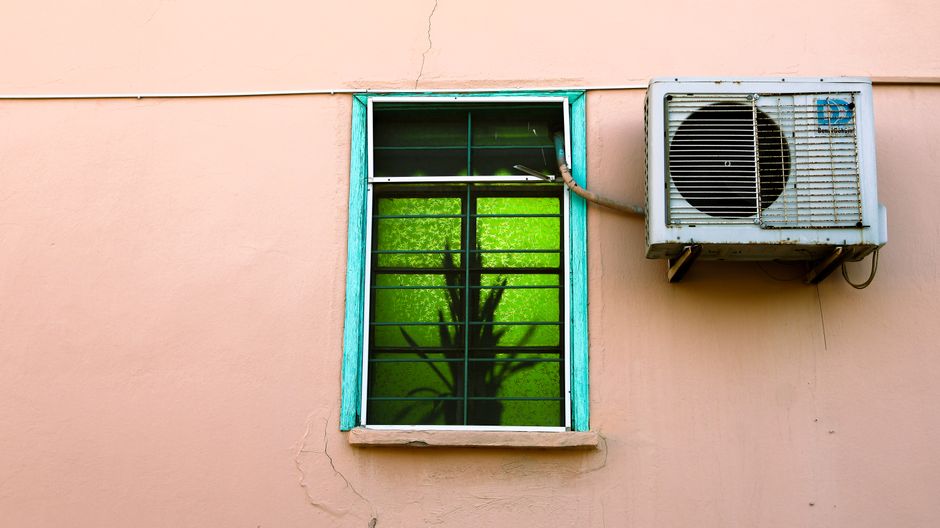
For an air conditioner quick fix, check that the thermostat is set to Cool, lower the set temperature below the room temperature, and make sure the vents are open and unobstructed. Then inspect the filter and outdoor unit. If the system will not start, a single breaker reset may help; if it trips again, there is visible ice, or you smell burning, switch the system off and call an HVAC technician.
What should I check first if my air conditioner stops cooling?
Start with the settings and airflow: confirm the thermostat is on Cool, set below the room temperature, and check that supply vents are open. These are quick checks that do not require opening the equipment. Carrier recommends waiting a few minutes after the system starts, then checking the registers for cold air.
If airflow is weak, inspect the air filter if it is accessible. A clogged filter can restrict airflow and reduce cooling, according to the U.S. Department of Energy’s Energy Saver 101 guide. The guide says routinely replacing or cleaning filters can lower an air conditioner’s energy consumption by 5%–15%.
Next, look at the outdoor unit from a safe distance. Clear loose weeds and debris around it so air can circulate, but do not reach inside or remove panels. The Department of Energy recommends keeping outdoor air conditioners clear of debris; its home heating and cooling guide also recommends monthly filter cleaning or replacement during peak-use periods.
Use the symptom to decide what to check next:
| Symptom | Safe first check | Stop and call when |
|---|---|---|
| System runs, but air feels warm | Check Cool mode, temperature setting, filter, and outdoor clearance. | Cooling does not return after the basic checks or ice is visible. |
| Airflow is weak | Check the filter and make sure vents are unobstructed. | Airflow remains poor with a clean filter, or the coil freezes. |
| System will not start | Check the thermostat and whether the breaker has tripped. | The breaker trips again after one reset, or there is a burning odor. |
These checks are a triage sequence, not a repair for every fault. The Department of Energy and National Renewable Energy Laboratory technical guide lists blocked filters, obstructed grilles, dirty coils, and duct restrictions among causes of reduced airflow. If the simple checks do not explain the symptom, a technician can measure airflow and temperature to determine whether more diagnostics are needed.
Can changing the air filter quickly fix an AC that is not blowing cold air?
Yes, changing a dirty filter can restore airflow when the filter is the cause, but it will not fix every cooling problem. Check the filter before assuming the air conditioner has a refrigerant or electrical fault. Follow the equipment’s instructions for the filter’s location and fit, and replace or clean it as directed.
The Department of Energy recommends cleaning or replacing filters monthly during periods of peak use. That is a maintenance recommendation, not a guarantee that a new filter will solve an active breakdown. After changing a clogged filter, check that vents are open and give the system a few minutes to run before checking for cold air at the registers.
A clean filter with persistently weak airflow points to a problem beyond that basic fix. The Department of Energy/NREL guide explains that evaporator-coil fouling can reduce airflow until the coil freezes, and that freezing may damage the compressor. Do not open the equipment or try to clean internal coils yourself; have a qualified technician diagnose it.
Low or leaking refrigerant also needs professional attention. The Energy Saver guide says refrigerant repair and recharging require a trained technician. A homeowner should not attempt to locate or repair a refrigerant leak.
Should I reset the breaker if my air conditioner will not turn on?
You can check whether the air conditioner’s breaker has tripped, but treat a reset as a one-time check—not a repeated fix. Carrier advises that if the breaker trips immediately after resetting, you should not try again. Leave it off and arrange professional service.
Before resetting, check that the thermostat is set to Cool and the system is being asked to run. If the breaker is visibly tripped and there are no signs of burning or damage, follow the panel’s instructions for a single reset. If it trips again, stop. Repeated trips signal that the system needs a qualified diagnosis; they are not a reason to keep cycling the breaker.
Do not troubleshoot capacitors, motors, compressors, or other high-voltage components. Carrier identifies these as components homeowners should leave alone. A burning odor is also a stop sign: turn the system off and contact an HVAC technician rather than continuing checks.
What should I do if there is ice on my AC or refrigerant line?
Turn the air conditioner off and let the ice thaw; do not chip at it or open the equipment. A frozen coil can indicate an airflow or mechanical problem, so call a qualified technician if the ice returns or the system still does not cool.
Ice on the indoor coil or refrigerant tubing is not a cue to keep running the AC in the hope that it will clear itself. Carrier recommends shutting the system off when ice is visible and notes that refrigerant or mechanical causes need professional diagnosis. The Department of Energy/NREL guide warns that a frozen evaporator coil can potentially damage the compressor.
While waiting for service, keep the unit off and avoid handling refrigerant lines or internal components. If airflow was restricted by a dirty filter, changing it may address one possible contributor, but recurring ice means the underlying cause still needs to be found.
When is it time to call an HVAC technician?
Call a technician when safe, basic checks do not restore cooling, or when you see signs that point beyond a homeowner fix. A breaker that trips again after one reset, visible or recurring ice, a suspected refrigerant leak, a burning odor, or persistently weak airflow all call for professional help.
The boundary is practical: thermostat settings, accessible filters, open vents, and outdoor debris are reasonable checks. Electrical components, refrigerant work, internal coil problems, and repeated failures need qualified diagnosis. As the Energy Saver guide puts it,
“Your refrigerant could be low or leaking. Call a trained technician to repair the leak and recharge the system.”
Before calling, note what the system does: whether it starts, whether airflow is weak or normal, whether ice is visible, and which basic checks you already made. That short symptom list gives the technician a useful starting point. Do those checks once, then hand off the problem when a warning sign appears.
Frequently Asked Questions
What should I do if there is ice on my AC or refrigerant line?
Turn the air conditioner off and let the ice thaw; do not chip at it or open the equipment. A frozen coil can indicate an airflow or mechanical problem, so call a qualified technician if the ice returns or the system still does not cool.
How long should I wait after adjusting the thermostat before deciding the quick fix did not work?
After the system starts, wait a few minutes and check whether the registers are sending out cold air, as Carrier advises. If cooling does not return after that check and the basic steps, arrange professional diagnosis rather than repeatedly changing settings.
Which AC problems can I safely troubleshoot myself, and when should I call a technician?
You can check thermostat settings, vents, an accessible filter, outdoor clearance, and whether a breaker has tripped. Call a technician for a breaker that trips again after one reset, visible or recurring ice, suspected refrigerant leaks, burning odors, or problems involving electrical components.
Sources
- U.S. Department of Energy, Energy Saver 101: Tips for Lowering Your Cooling Costs
- U.S. Department of Energy, Guide to Home Heating and Cooling
- U.S. Department of Energy / National Renewable Energy Laboratory, Measure Guideline: Air Conditioner Diagnostics, Maintenance, and Replacement
- Carrier, Troubleshoot an Air Conditioner: 6 Steps to Fix an AC Not Working
- Carrier, Why Is My AC Not Blowing Cold Air? 7 Common Causes

Is a DIY Home Depot-Style Carport Kit Right for My Site?
Check permits, weather loads, site conditions, tools, and assembly demands before buying a DIY metal carport kit.

How Do I Choose the Right Kitchen Countertop?
Match quartz, granite, laminate, or butcher block to heat, spills, upkeep, kitchen zones, and the full remodel budget.

How Do I Choose a Housekeeping Service for My First Home?
A first-time homeowner's checklist for comparing cleaners, defining the scope, verifying coverage, and protecting home access.