
Should I Refinish, Cover, or Remove My Old Flooring?
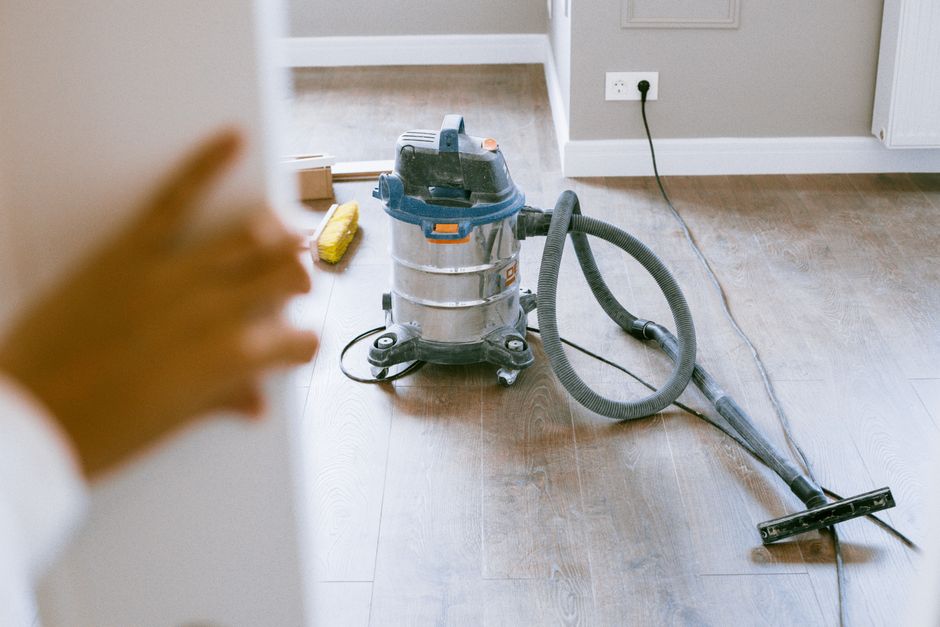
When updating flooring, choose based on the condition of the existing surface and what lies beneath it: refinish sound hardwood when its finish or surface damage calls for it, install over an old floor only when the new product permits it and the surface is suitable, and remove flooring when damage, instability, or preparation needs make an overlay unsuitable. Check subfloor condition and account for added height before choosing.
When updating flooring, should I remove the old floor or install over it?
Install over an existing floor only when the new product allows it and the current surface is flat, clean, and in good condition; remove it when those conditions are not met or the installation instructions require removal. The lowest-disruption option is not automatically the right one—the floor underneath still has to support the new installation.
Shaw Floors says luxury vinyl tile or plank can in many cases go over existing flooring when the surface is flat, clean, and in good condition. Its product-specific instructions still apply, and subfloor preparation may require additional work. That makes an overlay a conditional option, not a shortcut that bypasses inspection.
Before selecting a route, check for loose or damaged areas, unevenness, and signs that the subfloor needs work. For resilient flooring over concrete, ASTM International’s F710 standard calls for the slab to be dry, clean, smooth, structurally sound, and free of substances that interfere with adhesive bonding. It also calls for moisture testing of every concrete slab, regardless of age or grade level, and pH testing before resilient flooring installation.
“All concrete slabs should be tested for moisture regardless of age or grade level while all concrete floors should be tested for pH before installing resilient flooring.”
— ASTM International, F710
Use this comparison to frame the decision, then confirm it against the written instructions for the flooring and adhesive you plan to use:
| Option | Best fit | Check before deciding |
|---|---|---|
| Refinish | Existing hardwood with a dull finish or surface damage that can be addressed through refinishing | Whether the floor’s condition and remaining wear layer allow the planned work |
| Install over | An existing surface accepted by the new flooring instructions | Flatness, cleanliness, sound condition, preparation, and added height |
| Remove | A floor that is damaged, unsuitable as a base, or must come up for the new installation | Subfloor repairs, disposal responsibility, labor, and project disruption |
Height belongs in the decision before materials are ordered. A new layer can change door clearance, affect appliance fit, and create a height difference where rooms meet. Shaw notes that door jambs may need undercutting and that its products require the specified expansion space around the perimeter. Check these details against the proposed floor’s installation instructions and the rooms it will connect.
Can I update my floors without replacing them?
Yes: if the existing hardwood is a suitable candidate, a maintenance coat or a full sand and refinish can update its appearance without installing a new floor. Which treatment makes sense depends on whether the issue is a dull finish or deeper damage to the wood.
The National Wood Flooring Association (NWFA) says a maintenance coat—which involves cleaning the finish, lightly sanding it, and applying new finish—may be enough when a wood floor looks dull. For deep scratches, dents, other damage, or finish worn through to bare wood, the association recommends a complete sand and refinish.
That distinction helps avoid choosing a larger intervention than the condition calls for. A maintenance coat addresses the finish; it is not a fix for every dent or worn-through patch. If the wood itself is damaged, assess whether a full refinish is appropriate before moving to replacement.
Refinishing also has limits. The NWFA says how many times a floor can be sanded depends on factors including wear-layer thickness, floor flatness, floor condition, equipment, and contractor skill. Without those details, it is not possible to determine from appearance alone how many future sandings remain. Ask for an assessment of the specific floor rather than assuming every hardwood surface can be refinished repeatedly.
How do I know whether existing hardwood can be refinished?
Look first at what needs attention: a dull finish may suit a maintenance coat, while deep scratches, dents, other damage, or finish worn through to bare wood point toward a full sand and refinish. Whether the floor can actually be sanded depends on its construction and condition, so have those factors assessed before committing.
The NWFA draws the practical line between refreshing a finish and repairing deeper wear. Its guidance states: “A complete sand and refinish is recommended when there is damage to the wood floor like deep scratches, dents, and other flooring damage.” The recommendation is a guide to the type of work—not a guarantee that every damaged floor is a good candidate for sanding.
Ask the flooring professional to consider the wear-layer thickness, flatness, and overall condition, along with the equipment and skill needed for the job. These factors affect how many times the floor can be sanded. If the floor is uneven or has damage beyond what refinishing can address, compare the cost and preparation required for replacement instead.
Compare estimates on the same scope. USA TODAY Homefront reports a 2024 estimated hardwood installation range of $5–$20 per square foot; it reports that removing and disposing of old flooring may add $1–$5 per square foot. These are reported estimates, not a quote for a particular home: the article notes that labor varies with location, subfloor condition, project complexity, and installer. Ask each estimator to specify preparation, removal, disposal, and repair work so the figures are comparable.
Removal also creates a job of its own. NWFA notes that disposal can involve landfill fees and transport challenges, and recommends clarifying who is responsible for handling the old flooring. Its advice is direct: “When you replace a floor in your home, it’s your responsibility to dispose of the old flooring material.” Confirm disposal arrangements and any related charges in the estimate before work begins.
Frequently Asked Questions
Will new flooring create problems with door clearance or room transitions?
It can. A new layer adds height, so check door swing and clearance, appliance fit, cabinet relationships, and the level where the floor meets adjacent rooms. Shaw Floors also notes that door jambs may need undercutting and that its product’s specified expansion space must be maintained.
What should I check about the subfloor before updating flooring?
Check that the subfloor is stable, clean, smooth, and free of damage or irregularities that could interfere with installation. For resilient flooring over concrete, ASTM F710 calls for moisture testing of every slab and pH testing of concrete floors; follow the flooring and adhesive manufacturers’ written instructions as well.
How can I update flooring while keeping costs and disruption down?
If the existing surface is suitable and the flooring manufacturer allows it, installing over the old floor may avoid removal work. Compare the full estimate, including preparation, removal, disposal, and any added labor; USA TODAY Homefront reports an estimated hardwood installation range of $5–$20 per square foot in 2024 and says removal and disposal may add $1–$5 per square foot.
Before you request bids, write down the current floor’s condition, the rooms and transitions involved, and any door or appliance clearance concerns. Ask each installer to state whether the old floor stays, what subfloor preparation is included, and who handles disposal. Those answers make the options easier to compare—and turn a broad flooring decision into a clear scope of work.
Sources

How Do I Scan, Print, and Display Record-Cover Art?
Learn how to scan or photograph record-cover art, print it at the right size, and display it while protecting originals and respecting copyright.

Is a DIY Home Depot-Style Carport Kit Right for My Site?
Check permits, weather loads, site conditions, tools, and assembly demands before buying a DIY metal carport kit.

How Do I Choose the Right Kitchen Countertop?
Match quartz, granite, laminate, or butcher block to heat, spills, upkeep, kitchen zones, and the full remodel budget.

What Should I Do If My Air Conditioner Suddenly Stops Cooling?
Use safe checks for thermostat settings, airflow, filters, and breakers—and know when ice, repeat trips, or odors mean calling an HVAC technician.