
What Should I Serve at a Buffet for Older Adults?
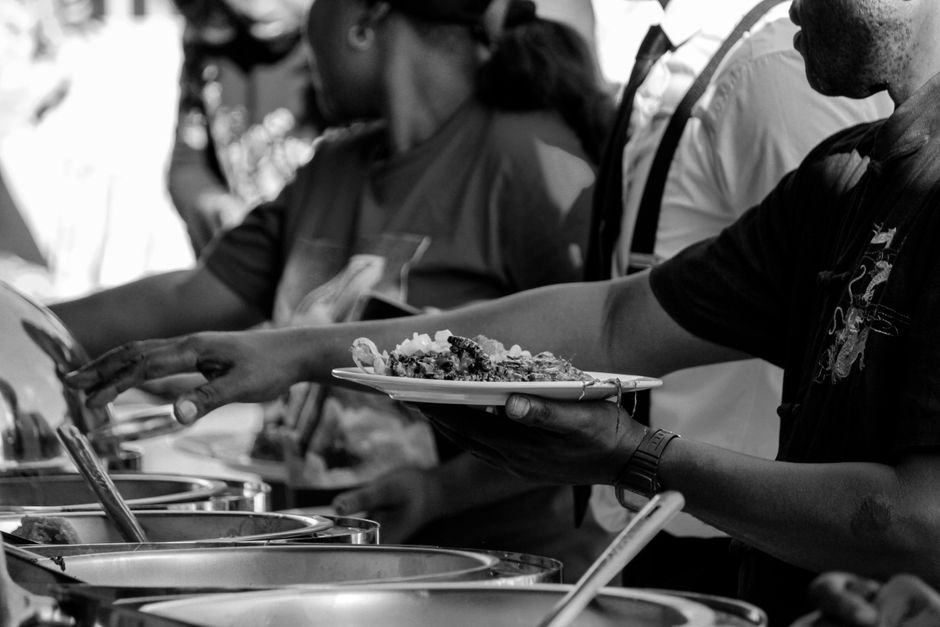
Serve a mix of familiar, tender foods, moist protein choices, soft-cooked vegetables, fruit, and whole grains, with small portions that are easy to pick up. Keep sauces and gravies nearby to add moisture, label dishes clearly, and follow any individual texture guidance from a health professional. Hold hot foods at 140 °F or warmer and cold foods at 40 °F or colder.
What should I serve at a buffet for older adults?
Serve a varied spread with a protein, vegetables, fruit, and a grain, choosing dishes that stay moist and are easy to portion. Familiar foods help make the table welcoming; variety makes it more nourishing.
The National Institute on Aging recommends foods across food groups, with little or no added sugar, saturated fat, and sodium. Its protein suggestions include seafood, dairy, fortified soy products, beans, peas, and lentils. A buffet can put those choices in plain sight: a soft fish dish, beans in a saucy preparation, yogurt or another dairy option, and a tender poultry or egg dish.
Build the menu as a set of choices rather than one large serving. Offer small rolls or soft grains, cooked vegetables, ripe fruit, and a moist main dish. Keep gravy, smooth sauce, or dressing on the side, so guests can adjust moisture without changing the whole dish.
For a family gathering, a practical menu could include tender poultry with gravy, soft-cooked vegetables, a grain dish, and fruit with yogurt. For a community event, a bean or lentil dish alongside fish or eggs gives guests more than one protein choice. The point is not to make every dish soft; it is to give guests appealing options they can manage.
Which buffet foods are easiest for seniors to chew?
Moist, tender foods that break apart easily are generally easier to chew than dry, tough, fibrous, crunchy, sticky, or crumbly choices. Cut food into manageable portions and provide a sauce or gravy when it suits the dish.
Chewing ability varies. A dish that is comfortable for one guest can be unsafe for another, especially when a person has dysphagia or follows a prescribed texture-modified diet. Do not treat “soft” as a universal medical category.
The International Dysphagia Diet Standardisation Initiative describes Level 5 Minced & Moist foods as soft and moist, requiring minimal chewing, with adult food pieces no larger than 4 mm. Examples in its handout include finely minced meat in thick, smooth sauce or gravy; finely mashed fish; and cooked, finely mashed or chopped vegetables and fruit. These are examples for that specific texture level, not general instructions for every older adult.
The IDDSI handout advises avoiding hard or dry, tough or fibrous, chewy, crispy, crunchy, sticky, and crumbly foods for people who require Level 5. It also warns against regular dry bread because of choking risk. For food prepared to Level 5, IDDSI describes a Fork Drip Test and Spoon Tilt Test. A care partner should follow the guest’s professional guidance rather than trying to assign a texture level at the buffet.
ASHA says texture-modified foods and thickened liquids can be appropriate for some people with dysphagia, but decisions should follow a comprehensive assessment by a speech-language pathologist in coordination with the care team. Recommendations should account for health, preferences, and goals. Ask what a guest needs, and preserve their choice wherever the care plan allows.
How can I offer nutritious food that still feels festive?
Make the menu feel festive through variety, color, and familiar flavors, while choosing nutritious ingredients and serving them in textures guests can manage. A celebratory meal can be gentle without looking like a clinical tray.
Use the National Institute on Aging’s food-group approach as a planning guide: include fruits, vegetables, whole grains, and a protein such as poultry, meat, eggs, nuts, seeds, soy, seafood, dairy, beans, peas, or lentils. The institute notes that meal planning helps provide a variety of nutritious foods throughout the day. A buffet extends that idea into a shared table, where guests can choose among several suitable dishes.
Keep flavor and texture in balance. A tender main can sit beside soft-cooked vegetables and fruit; a sauce adds moisture and gives the plate a finished look. Offer seasonings or dressings separately when feasible. Label dishes with direct descriptions such as “soft-cooked carrots” or “fish with smooth gravy,” and identify texture-modified foods only when they have been prepared to the applicable guidance.
Food safety is part of the menu plan. USDA’s Food Safety and Inspection Service says hot buffet foods should stay at 140 °F or warmer and cold foods at 40 °F or colder. Use chafing dishes, slow cookers, or warming trays for hot dishes; keep cold items over ice or bring out small trays and replace them often. Perishable food should not sit at room temperature for more than two hours, or more than one hour when the temperature is above 90 °F.
Clear labels, modest serving dishes, and separate sauces solve different problems. Labels help guests identify choices. Smaller portions make selection easier. Sauces let each person adjust moisture. Together, these details make a buffet more flexible without forcing every guest into the same meal.
Frequently Asked Questions
What soft finger foods can older adults eat at a gathering?
Offer moist, tender bites such as soft-cooked vegetables, ripe fruit cut to a manageable size, or finely mashed fish served in small portions. The right texture depends on each guest’s needs; people following a prescribed texture level should use foods that meet that guidance.
How can a buffet accommodate guests with different appetites or texture needs?
Set out smaller portions and offer sauces or gravies separately so guests can choose what suits them. Label dishes with clear descriptions, and ask guests or their care partners about prescribed texture needs rather than assuming one soft-food option works for everyone.
Sources
What Can I Snack on at Work Without a Fridge?
Choose filling, shelf-stable desk snacks with protein, fiber, and practical portioning tips for the afternoon.

How Can I Make Complete Meals with Cheap Ingredients?
Build balanced, budget-conscious dinners with beans, lentils, eggs, rice, pasta, and frozen vegetables, plus simple swaps for using what you have.