
What Can I Snack on at Work Without a Fridge?
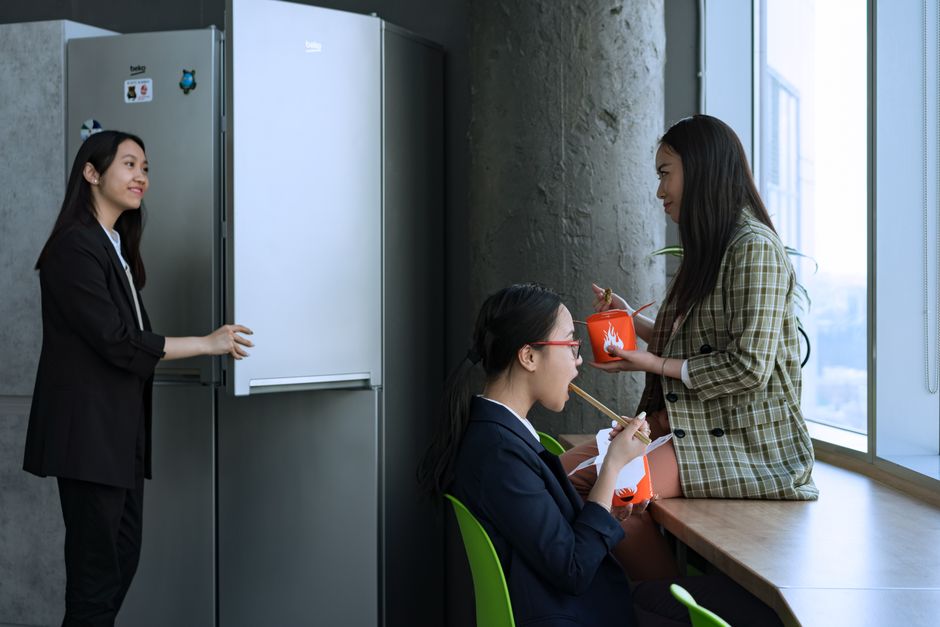
Choose shelf-stable snacks that pair a carbohydrate with protein or fat: trail mix, nuts with dried fruit, whole-grain crackers with nut butter, or roasted chickpeas. For a more filling afternoon snack, add fiber-rich foods such as oats, popcorn, seeds, or beans. Portion snacks ahead, store them in a cool, dry desk drawer, and keep perishable foods in a cooler with ice packs.
What can I snack on at work without a fridge?
For work without a fridge, choose sealed, shelf-stable foods such as nuts, seeds, dried fruit, whole-grain cereal, and roasted chickpeas. The U.S. Department of Veterans Affairs Nutrition and Food Services recommends pairing a carbohydrate with protein or fat to help maintain energy and stay fuller longer.
That simple pairing gives a snack more staying power than a sweet or starchy item alone. Combine dried fruit with sunflower seeds and peanuts, or pack whole-grain crackers with a small portion of nut butter. The VA also lists a banana with mixed nuts, pretzels with hummus, and whole-grain toast with peanut butter as balanced snack combinations. For a drawer snack, trail mix and crackers travel more easily than toast or fresh-cut food.
The VA's portionable trail mix uses 2 tablespoons each of dried fruit, sunflower seeds, and peanuts. That mix brings sweet, salty, and crunchy elements together in a small serving. Adjust the ingredients to fit allergies or preferences; seeds and dried fruit can stand in when peanuts are unsuitable.
The Academy of Nutrition and Dietetics also suggests trail mix with whole-grain cereal, unsalted nuts or seeds, and dried fruit, along with roasted chickpeas. For a dip-based snack, it recommends whole-grain pita with hummus or bean dip. These are useful options when you have access to a sealed container and can eat at a desk without messy preparation.
What are filling snacks to eat between lunch and dinner?
Filling snacks between lunch and dinner combine a source of fiber with protein or fat, such as nuts and fruit, roasted chickpeas, or whole-grain crackers with nut butter. The U.S. Food and Drug Administration identifies beans, peas, lentils, fruits, nuts, seeds, vegetables, and whole grains—including oats, brown rice, popcorn, and quinoa—as sources of dietary fiber.
Fiber can help a snack last. The FDA explains that soluble and insoluble dietary fiber can both contribute to feeling full and staying satisfied longer. That makes a fiber-rich base a useful starting point: choose popcorn, oats, whole-grain cereal, or chickpeas, then add nuts, seeds, or dried fruit for a more substantial combination.
For a compact pairing, MyPlate suggests nut butter with an apple or celery, or spread on whole-grain crackers. If fresh produce does not suit desk storage, pack whole-grain crackers with a single-serving portion of nut butter instead. MyPlate also recommends unsalted nuts and sunflower seeds with dried fruit such as raisins, cranberries, or chopped dates.
Snack size depends on the person and the day. The Academy of Nutrition and Dietetics says 200 calories or less can be a reasonable snack goal for most people; more active adults or people eating smaller meals may aim for 200–300 calories. Use those figures as its general guidance, not as a required limit for every worker. A measured portion helps make the choice deliberate.
How can I keep healthy snacks at my desk?
Keep shelf-stable foods in sealed containers, portion them before the workday, and store them away from heat and moisture. The Academy of Nutrition and Dietetics recommends planning and portioning snacks ahead, including homemade trail mix in ¼-cup servings.
A practical desk drawer can hold small packs of unsalted nuts, seeds, dried fruit, whole-grain crackers, cereal, or roasted chickpeas. Put a few combinations together rather than relying on one food: dried fruit with seeds, crackers with nut butter, or cereal with nuts. The combination is easy to grab and gives you more choice when one snack no longer sounds appealing.
Use a container or reusable bag for each portion. This limits mindless grazing from a large package and makes it easier to see when the desk supply needs replenishing. If a food needs refrigeration, do not leave it in a desk drawer. The Academy advises keeping perishable foods refrigerated or in a cooler bag with ice packs.
For vegetarian choices, use nuts, seeds, nut butter, hummus, bean dip, or roasted chickpeas. For gluten-free needs, select items labeled gluten-free and check packaged ingredients, since whole-grain crackers, pita, and cereal can contain gluten. The source guidance supports several naturally portable ingredients, but dietary suitability depends on the specific product and individual needs.
Canned seafood is another portable option to plan around. MyPlate notes that canned salmon, tuna, or crab stores well and is quick to prepare and eat. Since opening and eating it at a desk may be less convenient than a sealed snack, it fits best when there is a suitable place to prepare it and store any leftovers safely.
Frequently Asked Questions
What portable snacks have protein and do not need cooking?
Unsalted nuts, seeds, nut butter, trail mix, and roasted chickpeas are portable choices that need no cooking. Combine them with dried fruit, whole-grain crackers, or cereal for a mix of textures and nutrients. Check labels for allergens and dietary needs.
How do I stop reaching for vending machine snacks in the afternoon?
Plan and portion a snack before the afternoon hunger arrives. Keep a few shelf-stable choices at your desk, such as trail mix or roasted chickpeas, and pair them with a fiber-rich food. A ready-to-eat option makes the planned choice easier to reach.
Sources
What Should I Serve at a Buffet for Older Adults?
Plan a welcoming buffet for older adults with tender food choices, useful texture labels, nutritious variety, and safe serving temperatures.
How Can I Make Complete Meals with Cheap Ingredients?
Build balanced, budget-conscious dinners with beans, lentils, eggs, rice, pasta, and frozen vegetables, plus simple swaps for using what you have.