
How Do I Choose an Occasion Dress for a Fuller Bust or Petite Frame?
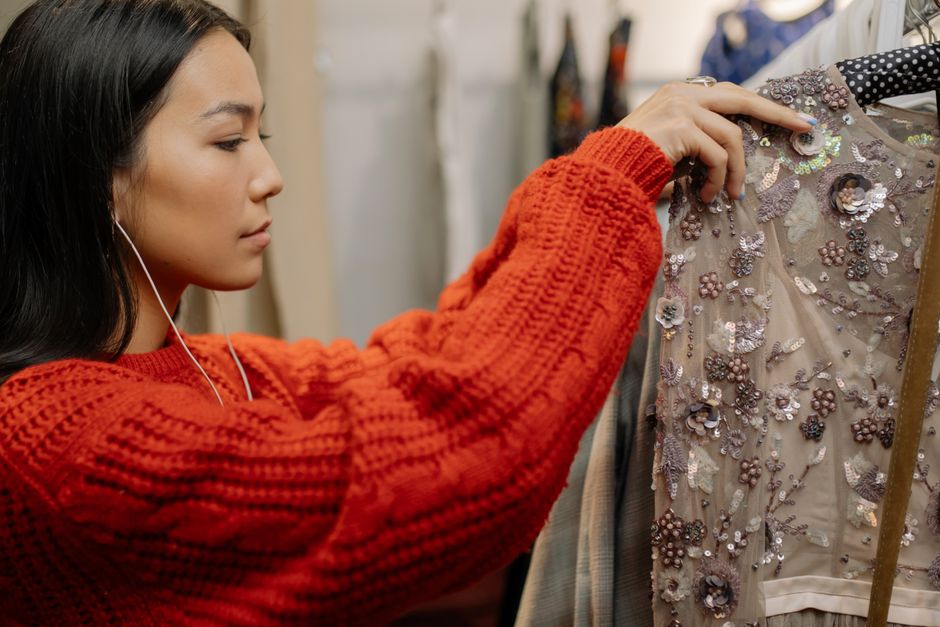
Choose a dress size that fits your bust and shoulders first, then assess the waist, hips, and hem. Look for enough room to move without pulling or gaping, and favor styles whose seams and waist placement suit your proportions. Taking in a waist or shortening a hem is usually more practical than changing a neckline, shoulder, or armhole, so check the dress construction and alteration estimate before buying.
How do I find a formal dress that fits a large bust and small waist?
Start with bust and shoulder comfort, then decide whether the waist can be brought in cleanly. A dress that strains across the chest can pull the whole garment out of position; a waist that is slightly loose is often a more manageable adjustment.
New Mexico State University Cooperative Extension defines ease as the room added beyond body measurements for movement. Its fitted-garment chart suggests 3–4 inches of ease at the bust, high bust, and low bust, while noting that the right amount depends on the pattern, fabric, and fit preference. Use that as a reference, not a universal shopping measurement: when trying on a dress, check whether you can move and sit without binding, pulling, sagging, straining, or wrinkling.
For a fuller bust, compare how the dress distributes room across the front rather than relying on the size label alone. Darts and seams can shape the garment while preserving shoulder fit. A full-bust adjustment in a sewing pattern adds width and fullness through the bust, then reshapes seamlines and darts without spreading the shoulder seam, according to New Mexico State University Cooperative Extension. That is useful design logic when evaluating a ready-to-wear dress, although it does not guarantee that a finished garment can be altered the same way.
Try the dress with the undergarments and shoes you expect to wear. Check that the neckline lies as intended, the waist seam sits where you want it, and the skirt falls comfortably over the hips. V-necks, scoop necks, and other open necklines are often suggested as styling choices, but the provided research does not compare necklines; treat each as an option to test on your own proportions rather than a proven rule.
Should I buy a dress to fit my bust and have the waist taken in?
Usually, yes—if the bust and shoulders fit comfortably and the waist adjustment is modest. South Dakota State University Cooperative Extension advises choosing the size that needs the least adjustment and notes that taking a garment in is generally easier than letting it out.
Before paying, inspect the inside seams or ask whether there is enough seam allowance for the planned work. The same extension guide says waist fit can be adjusted by changing seam allowance, but extensive work at the neckline, shoulders, or armholes can be difficult, time-consuming, and may distort the design. The practical filter is simple: a loose waist can be a tailoring task; a tight bust with no spare fabric may be a poor starting point.
Ask the shop or seamstress a specific question before purchase: “Can this waist be taken in without changing the bodice shape, and what would the estimate be?” Then ask whether the lining, boning, or decorative details affect the job. Seamwork’s full-bust tutorial explains how a pattern adjustment can add both width and front length so a waist seam aligns afterward. That is pattern guidance, however; on a finished formal dress, feasibility depends on construction and available fabric.
Petite proportions add a second fit check: length. Confirm where the hem lands in the shoes you will wear, and consider whether shortening the skirt would change a design detail or require work on multiple layers. A 1961 South Dakota State University extension circular covers alterations for large and small busts, short and long bodices, skirt length, and shoulder and sleeve fit. It is a useful reference for the kinds of adjustments involved, though current garment construction and tailoring prices may differ.
Can a seamstress fix built-in cups that are too small?
Sometimes, but it depends on the dress’s construction; the sources do not establish a universal fix for undersized built-in cups. Ask a seamstress to assess the cups, lining, boning, and available seam allowance before buying or committing to the alteration.
Be precise about the problem. If the cups themselves are too small, simply taking in the waist will not solve it. If the dress pulls across the bust, the cause might involve the bodice’s width or length as well as cup shape. A full-bust adjustment in a pattern addresses width and front length, but adapting a finished formal dress may be limited by its lining, boning, and seam allowances.
Use this fitting-room check: stand naturally, sit, reach forward, and raise your arms. Look for pulling, strain, wrinkles, gaping, or a neckline that shifts. New Mexico State University Cooperative Extension’s fit guidance emphasizes that a garment should conform without those problems. If the cups still feel restrictive, ask for an evaluation before purchase rather than assuming a tailor can enlarge them.
Frequently Asked Questions
How much should I budget for hemming and dress alterations?
There is no single price that applies everywhere; cost depends on the garment and the work involved. A 2025 Indianapolis-area report quoted about $45 for a simple one-layer, unbeaded hem, plus $20 for steaming, while a beaded hem was estimated at $65–$85. Treat those as local examples, not national averages, and ask for a quote on the actual dress.
Which dress fabrics work best for a fuller bust?
The provided sources do not rank fabrics for fuller busts, so there is no source-backed fabric winner here. Fit and construction are the better checks: make sure the bust has enough room to move without pulling, and consider how the fabric and pattern affect ease. A seamstress can assess a particular dress’s lining, boning, and available seam allowance.
Conclusion
Make the bust and shoulders your first fit test, then judge the waist and hem as alteration questions. Favor the dress that needs the least work, and ask for a realistic estimate before buying—especially if cups, lining, boning, or embellishment are involved. Take the dress, shoes, and your alteration questions to a fitting appointment, and get the proposed changes and price before committing.
Sources

Where Should a Graphic Sit on a Women’s T-Shirt?
Learn where to place T-shirt graphics, how to avoid stretch distortion, and how to size prints for different women's and unisex fits.
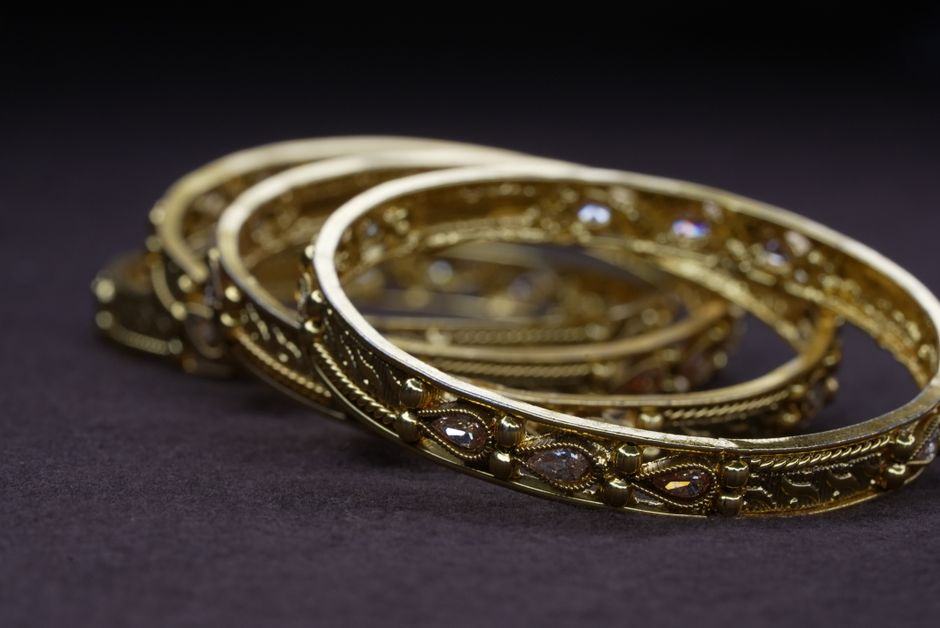
How Do I Choose a Bracelet Metal and Fit for Sensitive Skin?
Compare bracelet metals, reduce irritation risks, find a comfortable fit, and protect finishes from everyday wear.