
How Do I Choose a Bracelet Metal and Fit for Sensitive Skin?
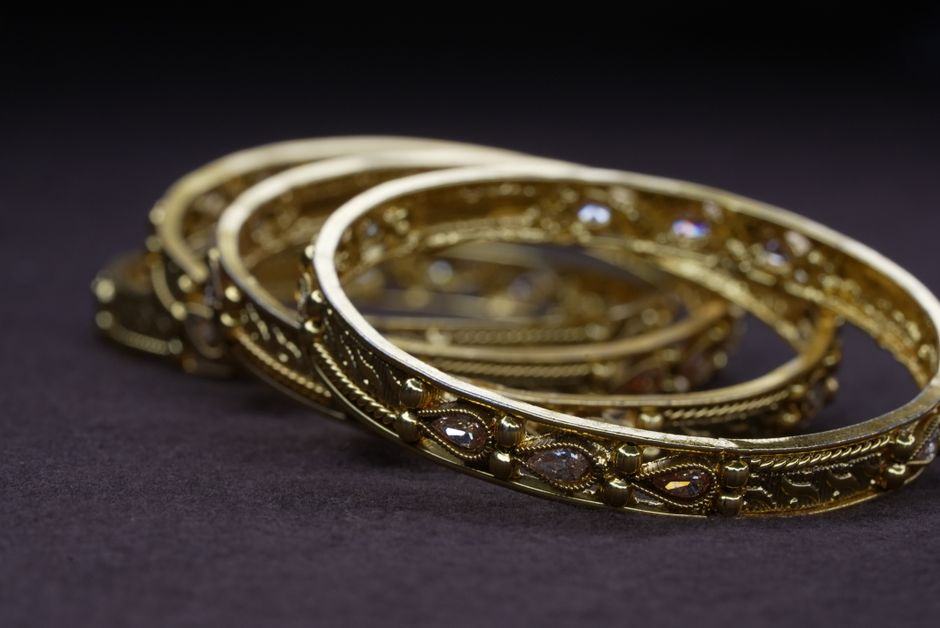
Choose a bracelet with a corrosion-resistant metal, such as austenitic stainless steel or a suitable gold alloy, and check its composition rather than relying on a finish label alone. For sensitive skin, nickel release matters: nickel in jewelry can trigger contact dermatitis. Measure your wrist for a chain bracelet, or your hand for a bangle, then remove fashion jewelry before water, sweat-heavy activity, or cosmetics to help protect its finish.
Why does my bracelet turn my wrist green?
A green mark can appear when a bracelet’s metal or surface finish reacts during wear; it is not, by itself, proof that you have a metal allergy. The sources available here explain nickel-related dermatitis and tarnishing, but do not identify the specific cause of green marks for every bracelet or wearer. Check the item’s metal and finish before drawing a conclusion from the color alone.
Nickel is a common preventable cause of allergic contact dermatitis and appears in consumer jewelry. According to the American Academy of Dermatology, the amount of nickel released from an article—not simply whether it contains nickel—determines its potential to cause nickel-related dermatitis. That distinction matters: a label naming a metal does not, on its own, tell you how much nickel may reach your skin.
The AAD reports that about 16.2% of people patch-tested in 2017–2018 had a positive reaction to nickel. That figure applies to the tested patients, not the general population. Persistent or recurring symptoms around jewelry warrant clinical evaluation; patch testing can help identify contact allergies, as described by StatPearls.
Which bracelet metals are best for sensitive skin?
For sensitive skin, start by checking the bracelet’s material and nickel-release risk, then weigh durability and care needs. The available sources do not establish that any one metal is guaranteed irritation-free for everyone, so recurring symptoms call for evaluation rather than repeated guesswork.
The Federal Trade Commission’s Jewelry Guides identify austenitic stainless steels and gold alloys of at least 10-karat fineness as metals that may be considered corrosion- and rust-resistant under normal conditions of use. Corrosion resistance is not immunity: a product described as “corrosion proof” would need to remain immune throughout its expected life.
| Metal or finish | Everyday-wear consideration | What to check |
|---|---|---|
| Austenitic stainless steel | May be considered corrosion- and rust-resistant under normal use. | Confirm the material and pay attention to any recurring skin reaction. |
| Gold-filled, gold overlay, or rolled-gold plate | A layer of at least 10-karat gold is mechanically applied to a base metal; the layer may wear with use. | Read the marking for the gold fraction when the layer is less than 1/20 of the item’s total metal weight. |
| Gold-plated | The gold layer eventually wears away; timing depends on wear and plating thickness. | Consider how often and in what conditions you will wear it. |
| Sterling silver | Can naturally tarnish from air and environmental exposure. | Plan for dry, airtight storage and avoid water, perfume, lotions, and household chemicals. |
The FTC explains that gold-filled, gold overlay, and rolled-gold-plate jewelry have a mechanically applied layer of at least 10-karat gold over a base metal. If the gold layer is less than 1/20 of the total metal weight, the marking should state its fraction—for example, 1/40 14K gold overlay. Gold-filled describes a construction, not a promise that the finish will never change.
Plated jewelry has a thinner gold finish that wears over time, with speed depending on use and plating thickness. Sterling silver has a different trade-off: Swarovski’s care guidance says it may tarnish through exposure to air and environmental elements, with the amount varying by skin chemistry, climate, and care habits. Choose based on the maintenance you will actually do, not just the appearance on day one.
Will stainless steel or gold-filled bracelets tarnish?
Stainless steel and gold-filled bracelets are not guaranteed never to change, but their construction and the conditions of wear differ. The FTC describes austenitic stainless steels as potentially corrosion- and rust-resistant under normal conditions, while gold-filled jewelry has a gold layer mechanically applied over a base metal.
For either, “resistant” is the useful standard—not “proof.” Corrosion resistance does not mean immunity throughout an item’s expected life. Gold-filled jewelry also has a defined layer: if it is below one-twentieth of total metal weight, the marking should disclose the fraction. Gold plating, by contrast, wears away over time depending on plating thickness and how the piece is worn.
Reduce avoidable exposure. Swarovski advises removing fashion jewelry before washing, swimming, or applying perfume, soap, or lotion, since these may harm finishes or cause discoloration. For sterling silver, keep the piece away from water, perfumes, lotions, and household chemicals, and store it dry in an airtight container. These habits also make it easier to tell whether a finish is wearing from routine exposure.
Fit is part of comfort, too. Cartier recommends measuring the wrist itself—not using another bracelet as a proxy—and advises sizing up if you want a looser fit. Left and right wrists can differ slightly, so measure the wrist where you expect to wear the bracelet.
Frequently Asked Questions
How do I measure my wrist for a bracelet?
For a chain bracelet, wrap string or ribbon around the wrist where you plan to wear it, mark the overlap, and measure the string with a ruler. For a multi-link bracelet, James Avery recommends adding 1/2 inch to the wrist measurement, or 1 inch for a charm bracelet. For a bangle, measure across your hand from the pinky knuckle to the pointer knuckle.
Can I wear a bracelet in the shower every day?
It is better to remove fashion jewelry before showering. Water, soap, and other everyday exposures may harm its finish or cause discoloration, and sterling silver can tarnish with environmental exposure. Dry storage and keeping jewelry away from lotions and household chemicals help protect it.
Sources

Where Should a Graphic Sit on a Women’s T-Shirt?
Learn where to place T-shirt graphics, how to avoid stretch distortion, and how to size prints for different women's and unisex fits.
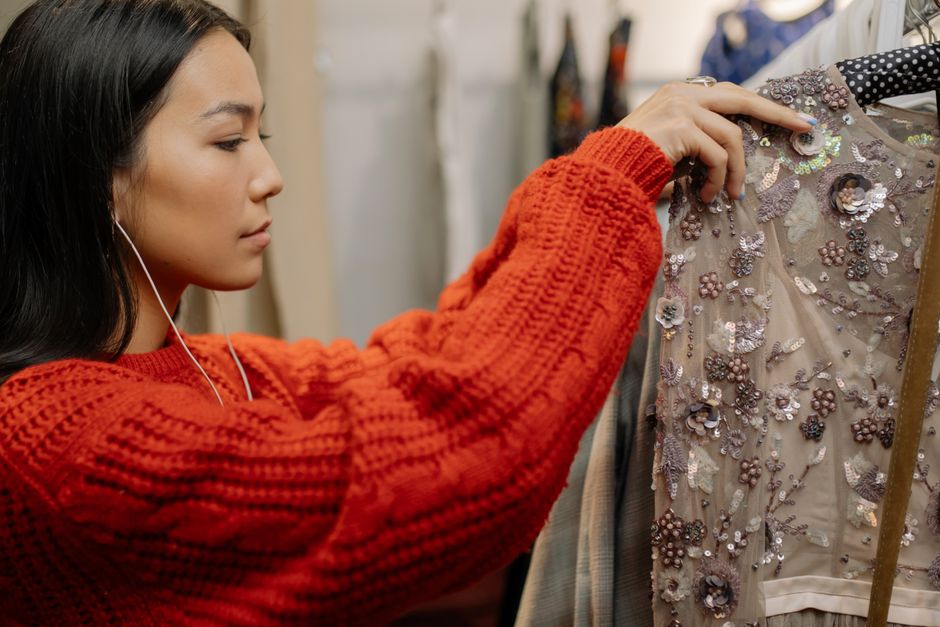
How Do I Choose an Occasion Dress for a Fuller Bust or Petite Frame?
Choose an occasion dress that fits your bust and shoulders first, then assess waist, hem, and alteration costs before you buy.